Amache—the Granada War Relocation Center, 2018, Revisited
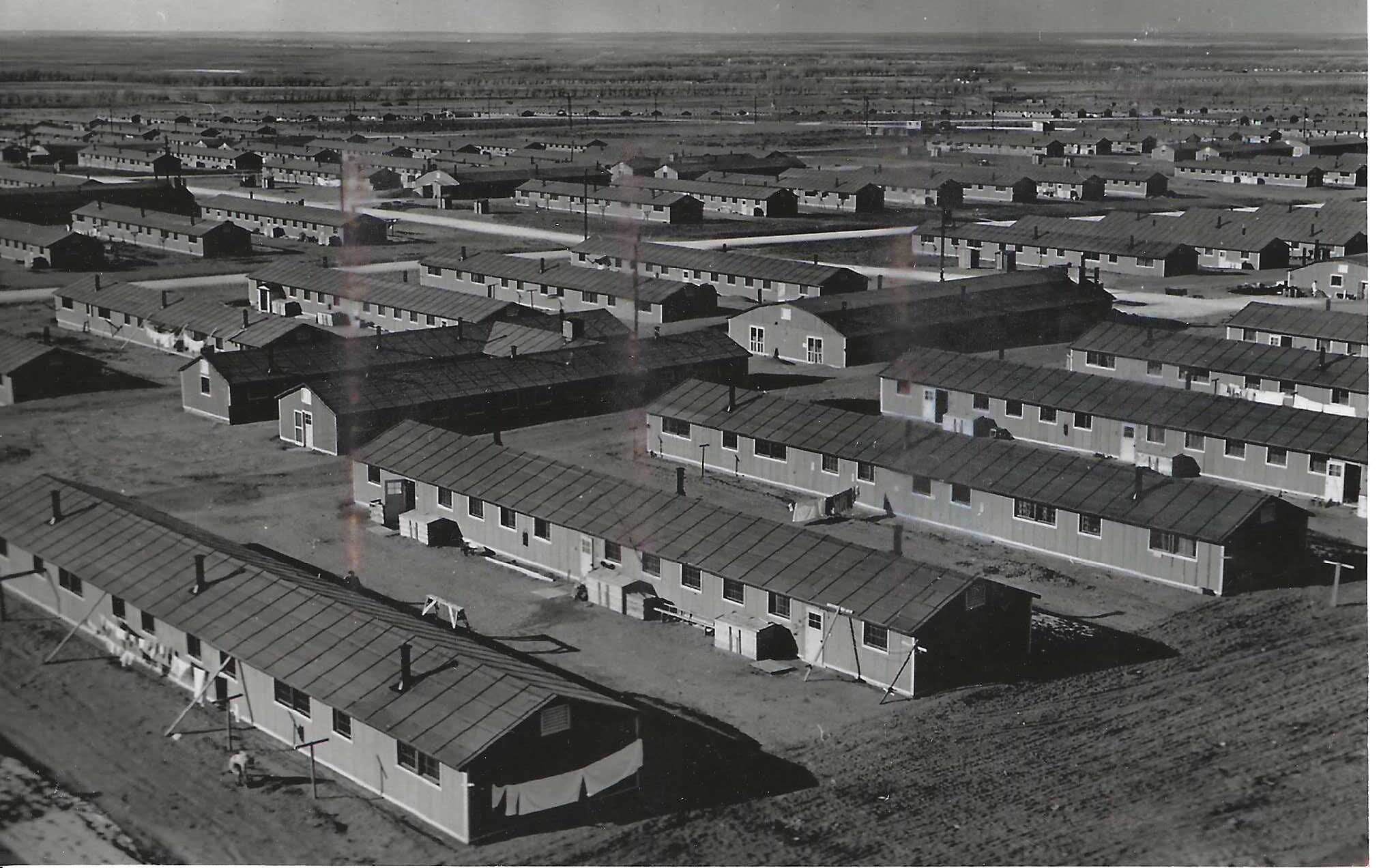
Seven years ago on a quiet January afternoon in southeastern Colorado, I visited the site of Amache—the Granada War Relocation Center—one of ten internment camps where Japanese Americans were forcibly incarcerated during World War II. Though I had read about Amache before, nothing fully prepared me for the stillness that awaited me there. Wind moved through the dry grass, and the remnants of foundations, pathways, and scattered artifacts seemed to hum with the weight of memory.
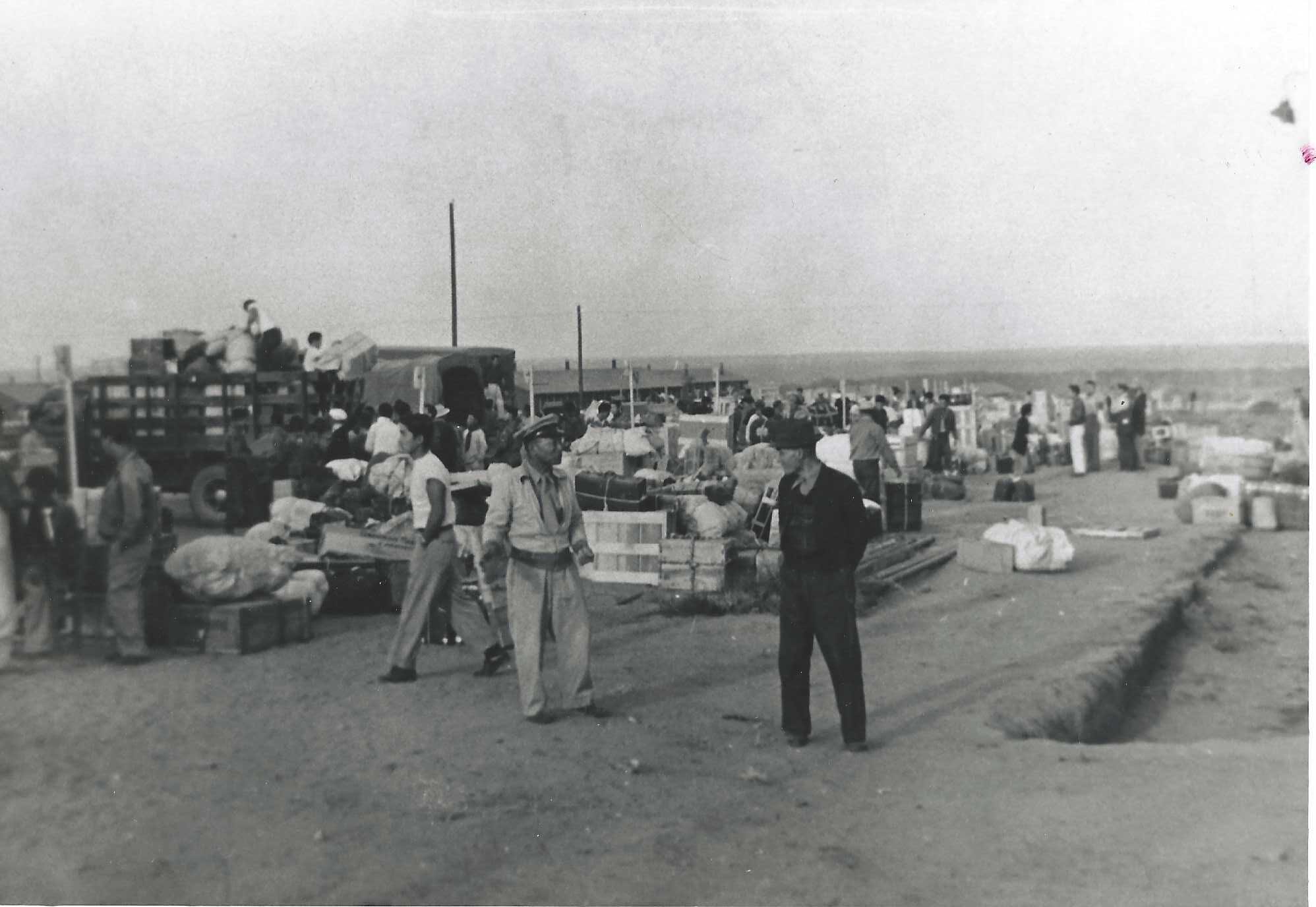
Over 7,000 people, most of them U.S. citizens, were removed from their homes on the West Coast under Executive Order 9066 and sent here—by train—to this remote stretch of prairie. What struck me most was how little remains physically, yet how deeply the emotional imprint lingers. The silence felt almost sacred. It was as if the land itself remembered.
As a photographer deeply invested in history and the emotional resonance of place, the experience was both sobering and essential. I walked past the reconstructed barracks and watchtower, imagining the families who once lived there—trying to build a life in a world that had turned against them. I thought about how easily stories like this can be erased if not deliberately preserved. Places like Amache serve as both witness and keeper of truth.
The sky that day was heavy with clouds, casting a flat, muted light across the land. There were no shadows—only a soft, even stillness. Under infrared, the stark prairie and winter tones took on an even more haunting quality. The absence of contrast mirrored the emotional weight of the place, making the silence feel even more profound.
What’s especially unsettling is the parallel this place draws to our present moment. The use of “detention camps” by the current administration is a chilling echo of past injustices—proof that history is never as distant as we’d like to believe.
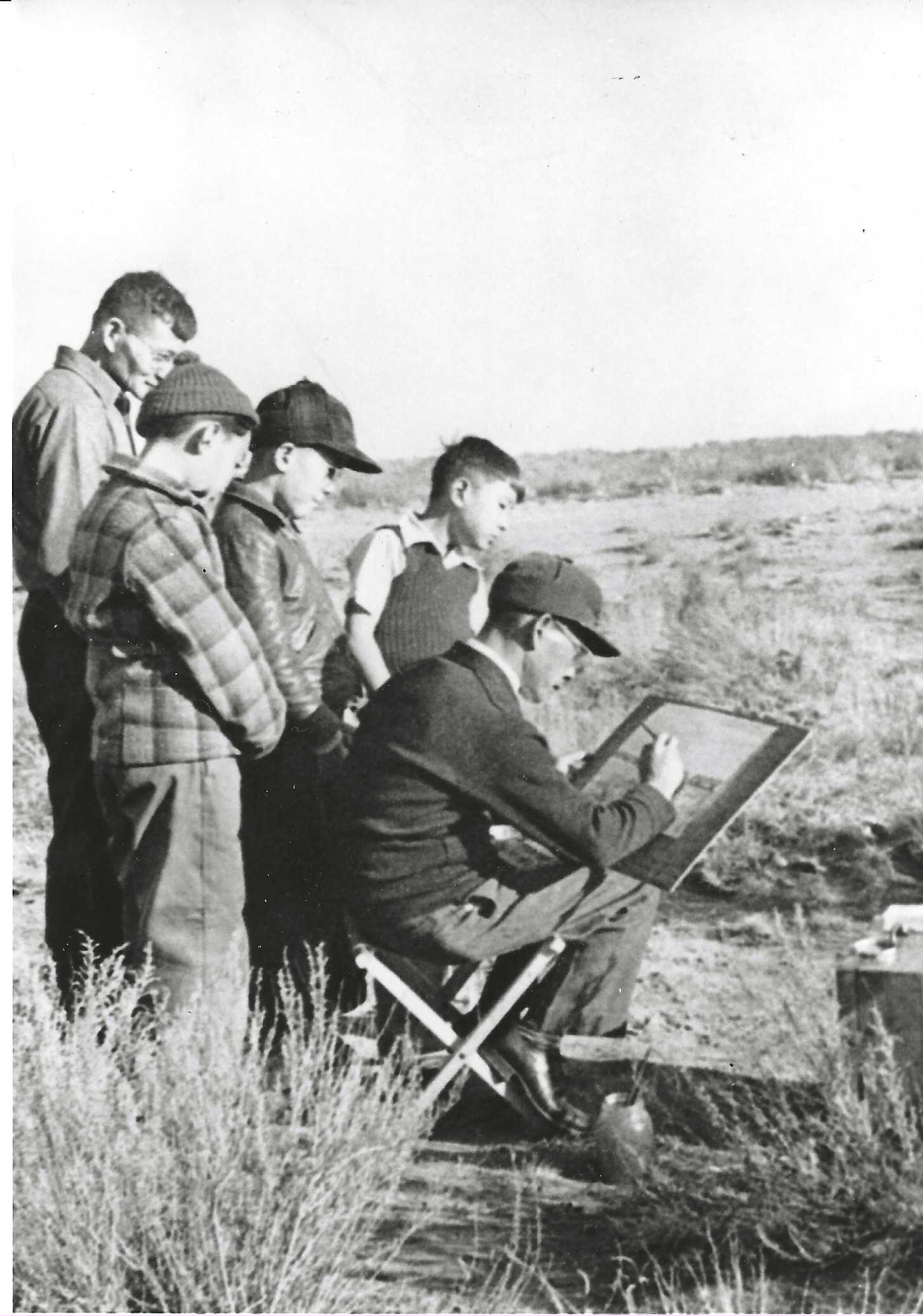
A side note: I was asked by a Colorado tourism agency to photograph the site. My images, however, were not selected. I was told they were too stark, too somber. Another photographer was later sent to capture the site in the summer months—in bright, colorful images that felt more inviting. But for me, the truth of Amache lies in its quiet severity. And that is what I chose to show.
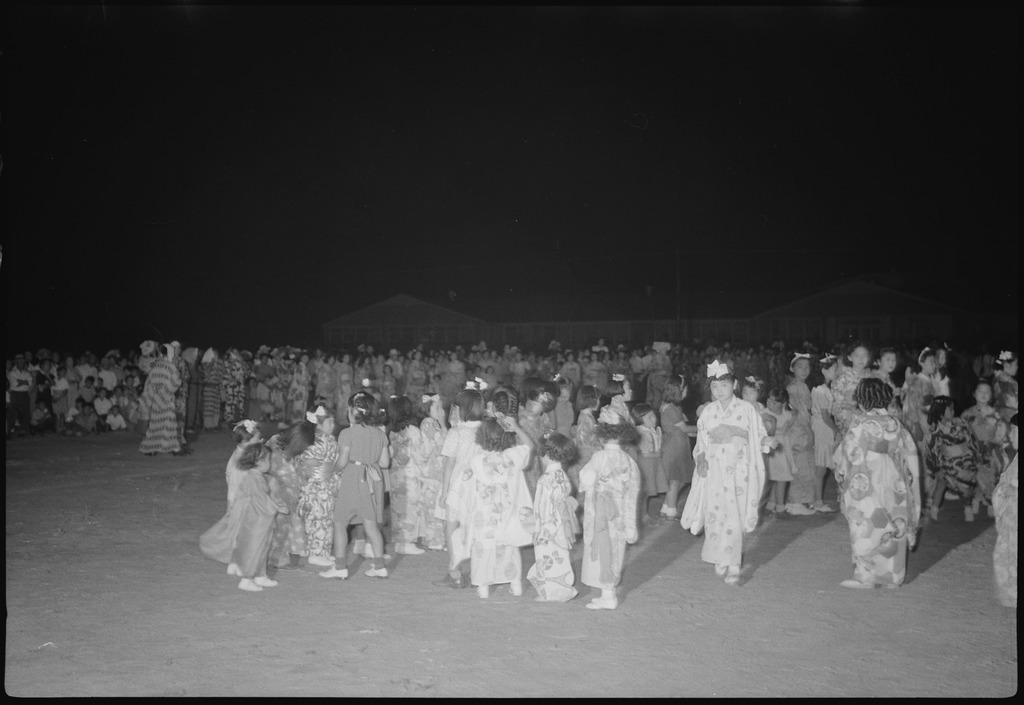
This visit reminded me why I make the work I do: to remember, to honor, and to reveal what isn’t always easy to see—but must not be forgotten. To read more details on this period of time, please read my previous post in 2019
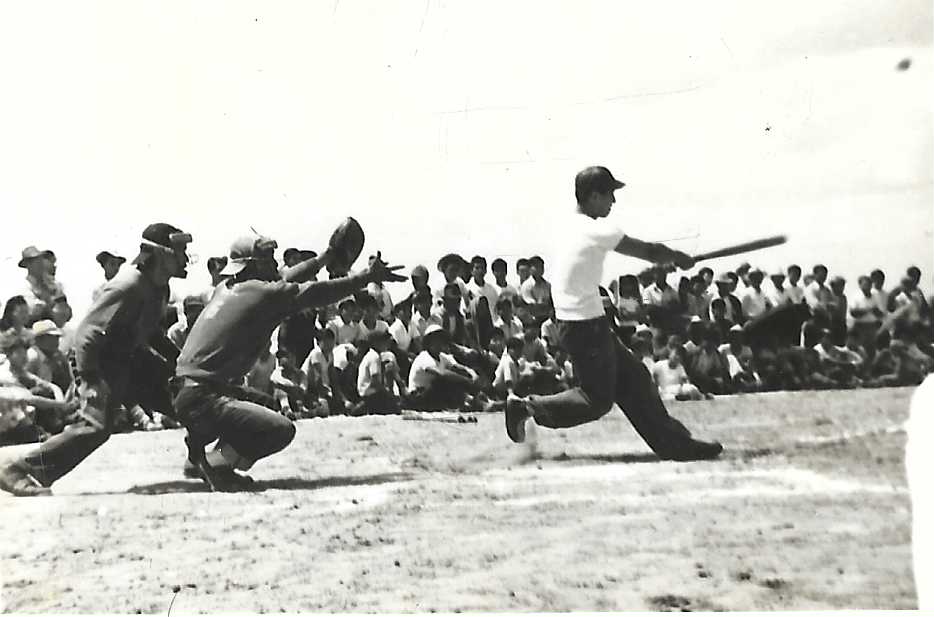
Images above via Amache, A National Historic Site
Comments are closed.