Going Home
“Children are not like us. They are beings apart: impenetrable, unapproachable. They inhabit not our world but a world we have lost and can never recover. We do not remember childhood — we imagine it. We search for it, in vain, through layers of obscuring dust, and recover some bedraggled shreds of what we think it was. And all the while the inhabitants of this world are among us, like aborigines, like Minoans, people from elsewhere safe in their own time-capsule.”
― Penelope Lively, Moon Tiger
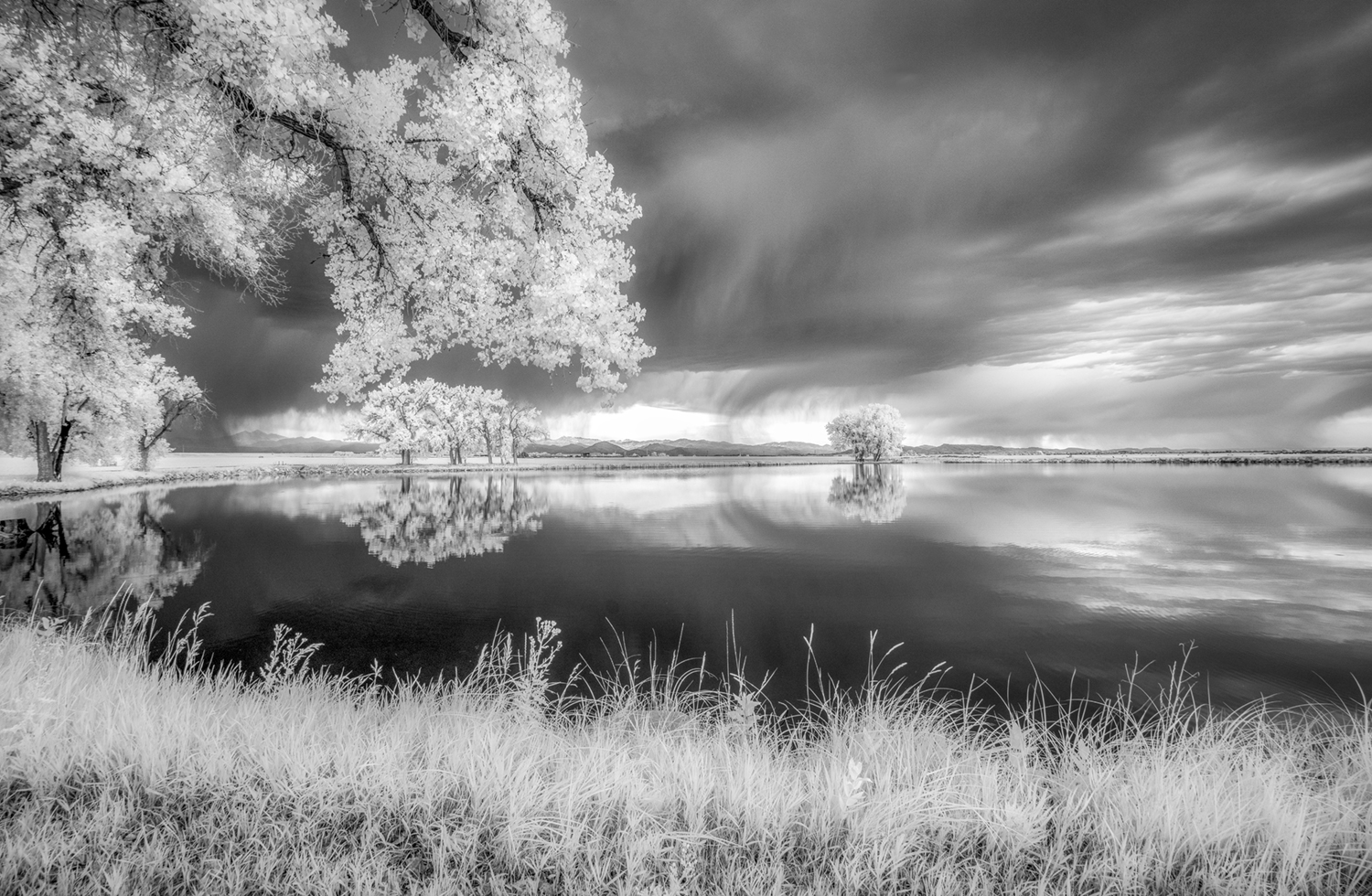
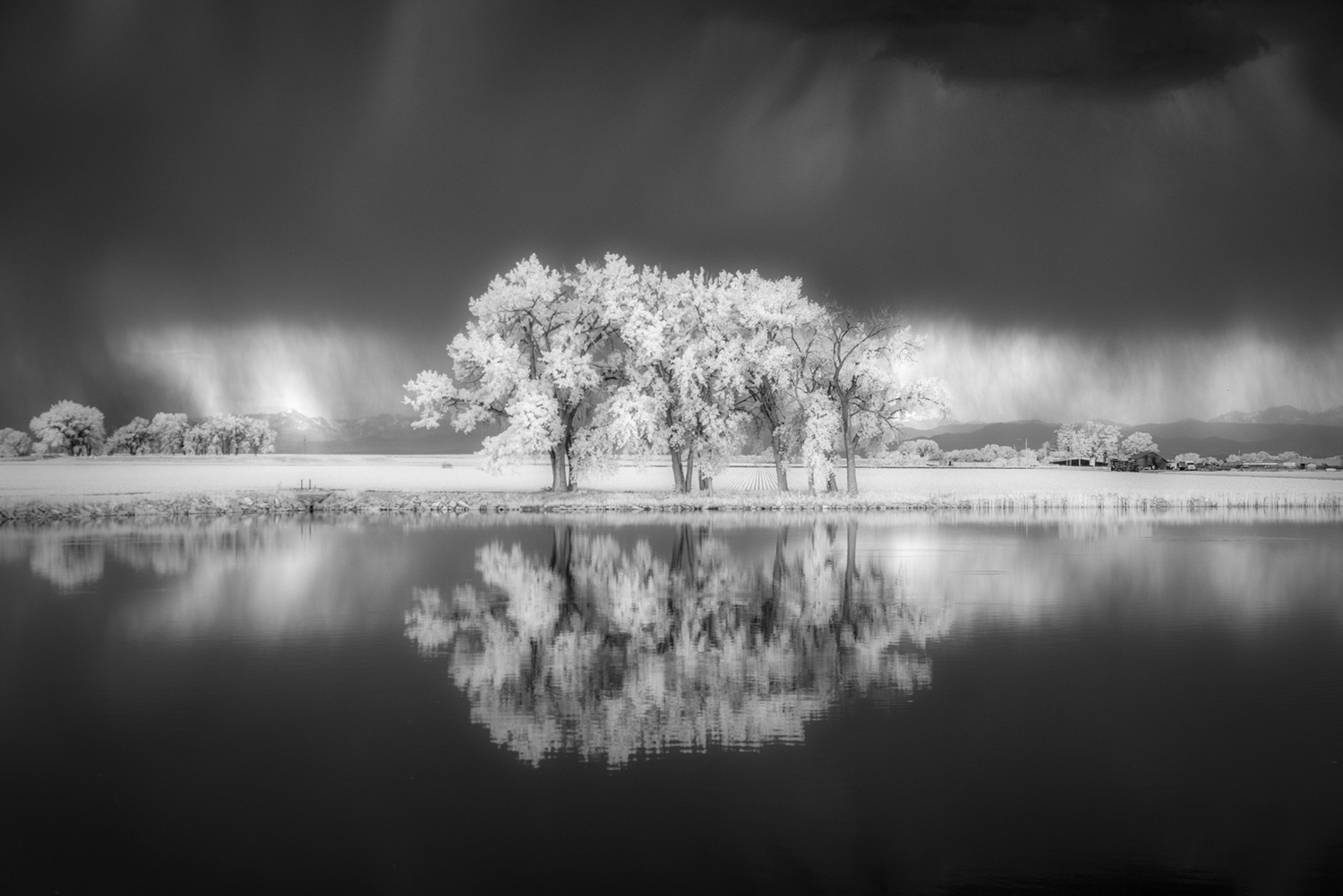
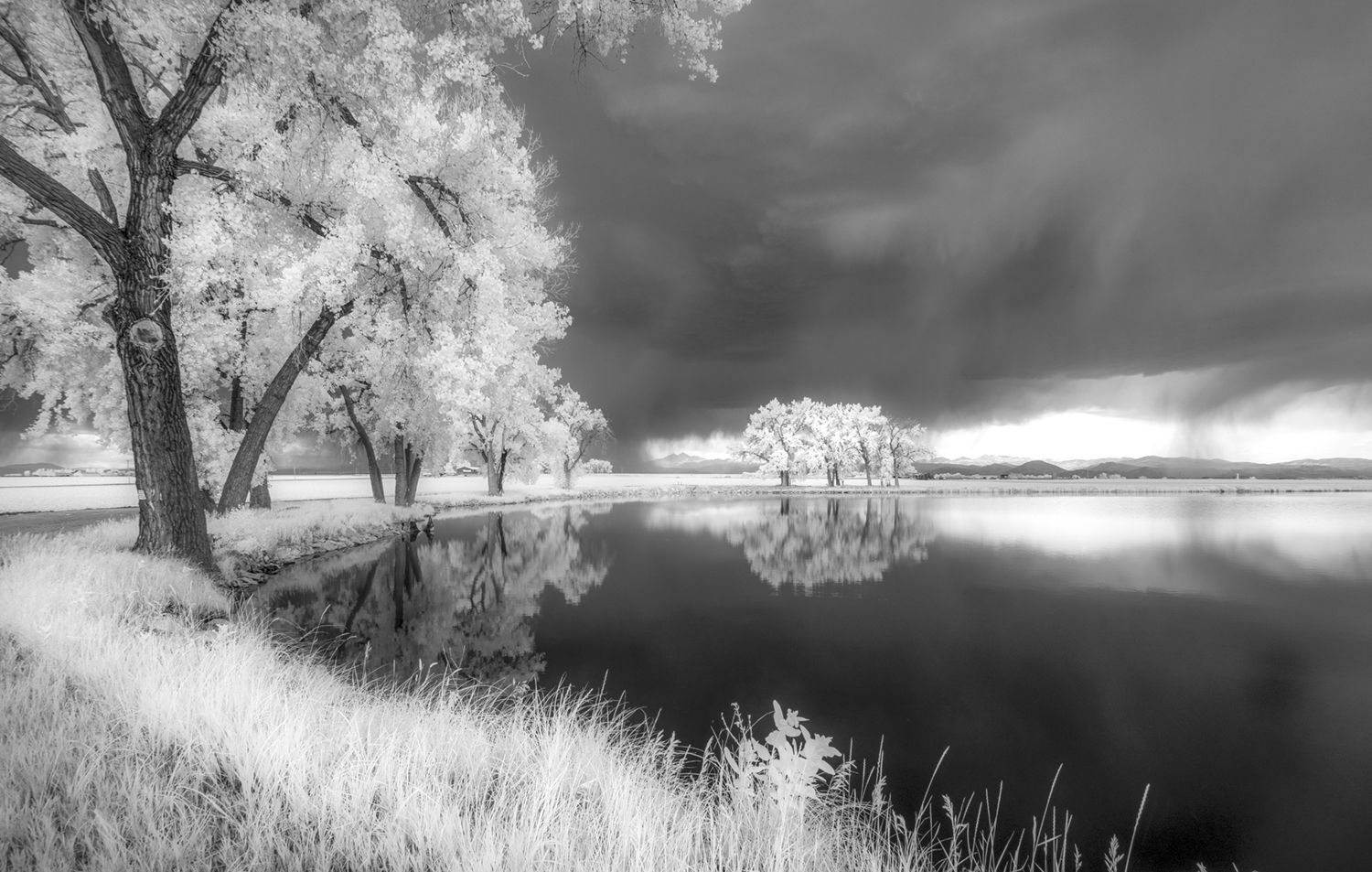
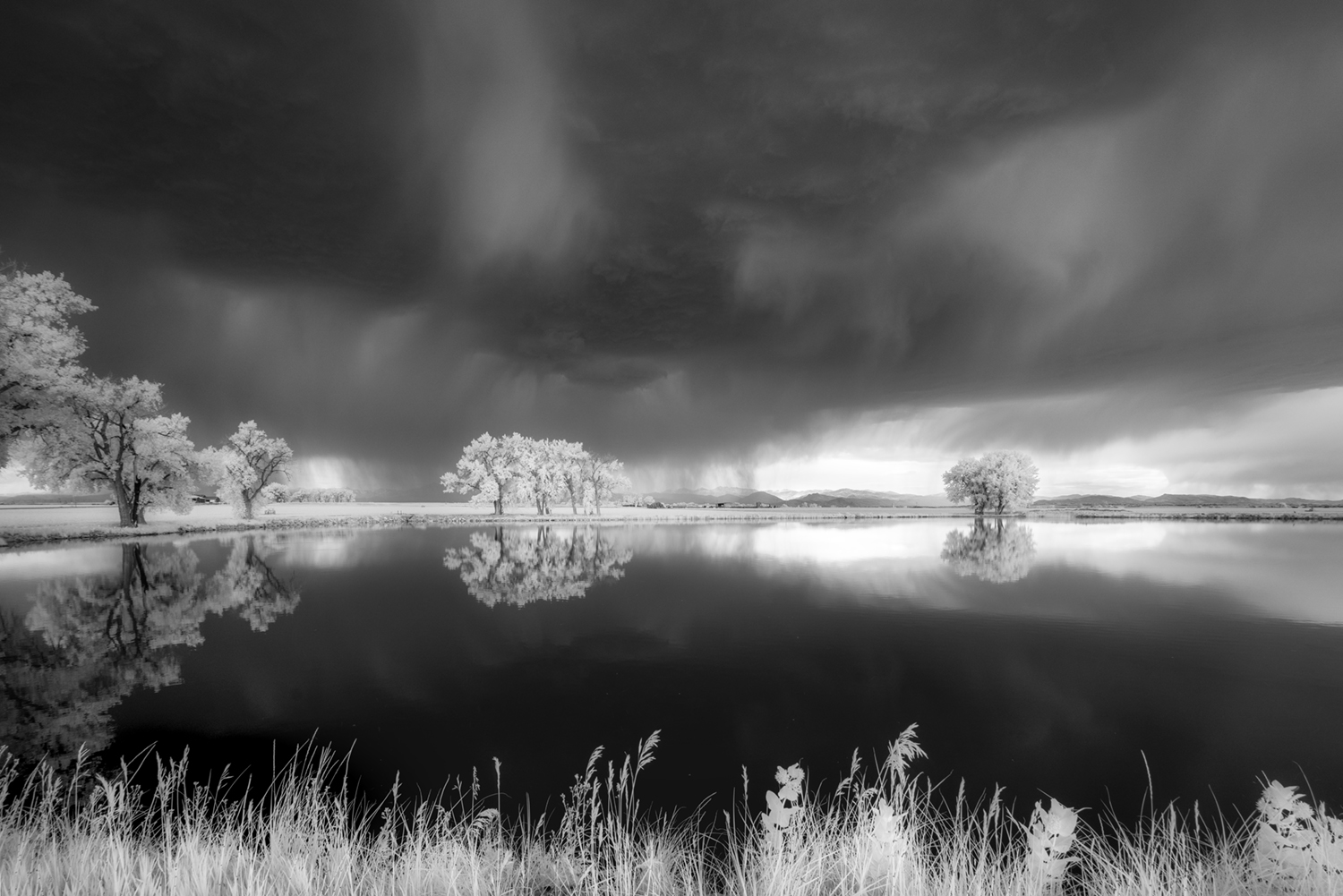
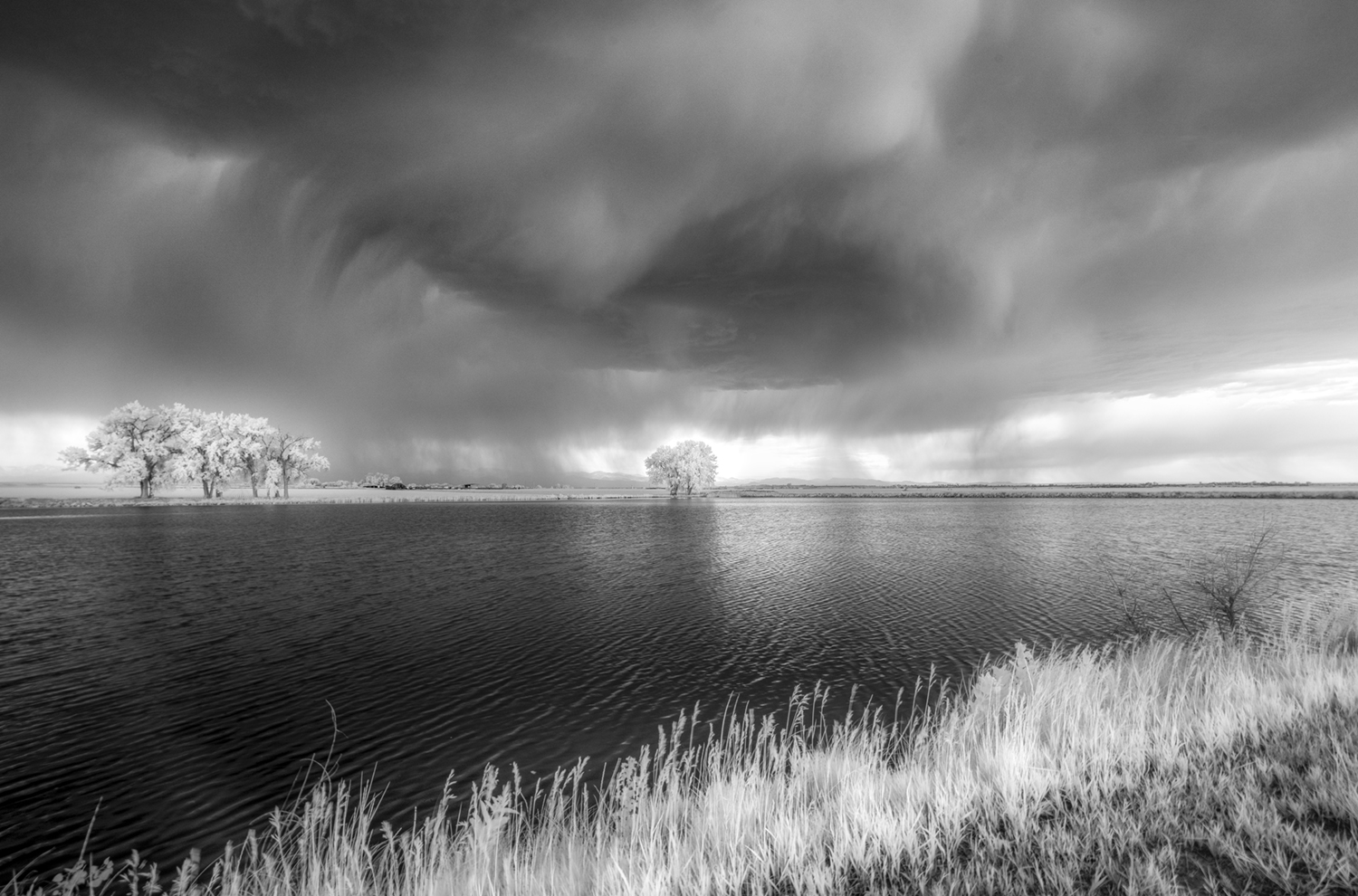
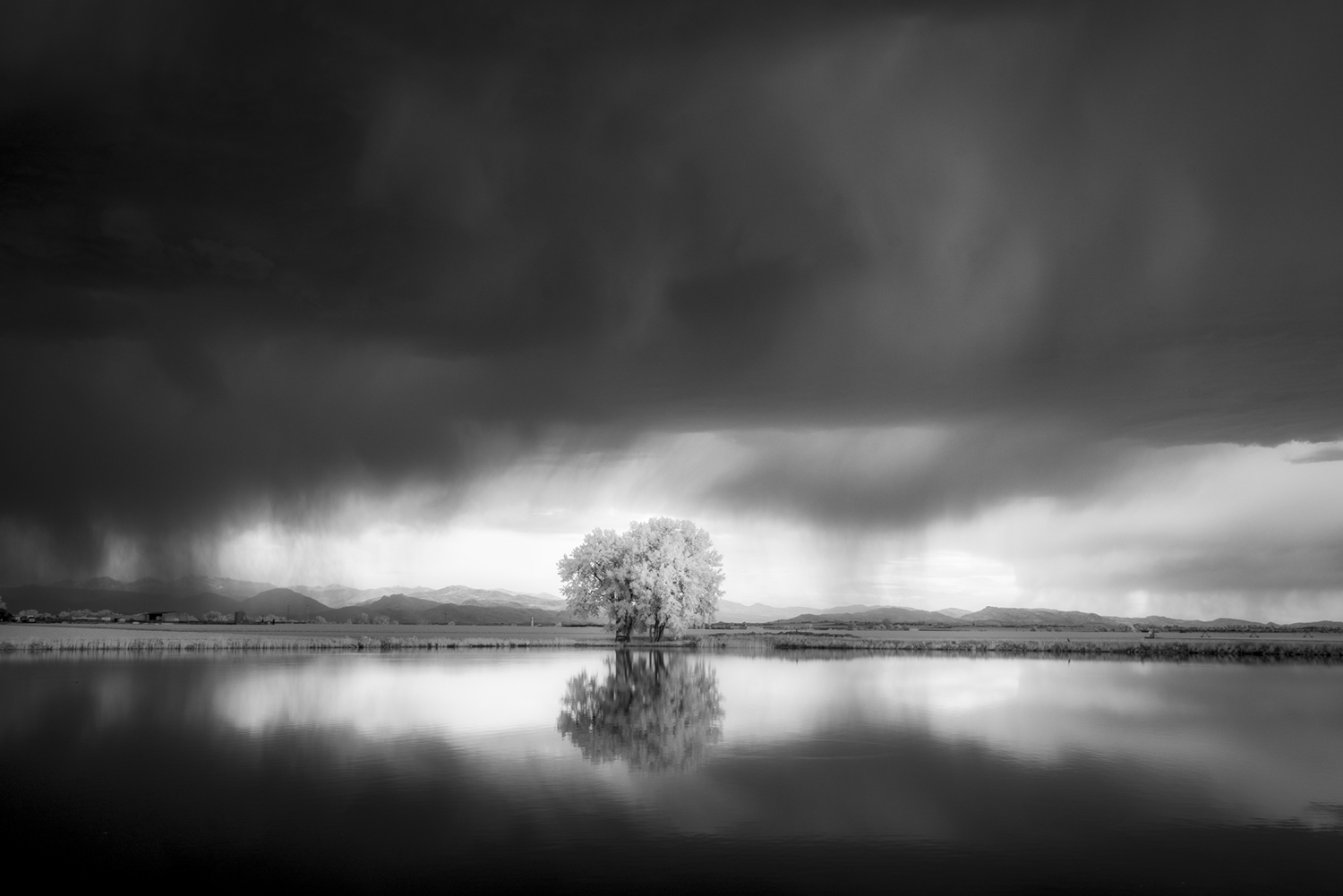
Do you remember that place in nature where you could be alone in your own little biosphere of imagination? This reservoir was mine.
Tucked just half a mile from my childhood home on the rural high plains of northern Colorado, this small lake was my oasis during long, sun-drenched afternoons. At 13, I’d ride out on a spirited horse named Rebel—an aptly named nine-year-old gelding with a mind of his own. He often jumped the corral fence during thunderstorms, racing down the road to visit the neighboring mares. He would only allow women to ride him, tossing men off without hesitation. But with me, he was gentle. I could ride him bareback, trusting in the quiet power of his strength.
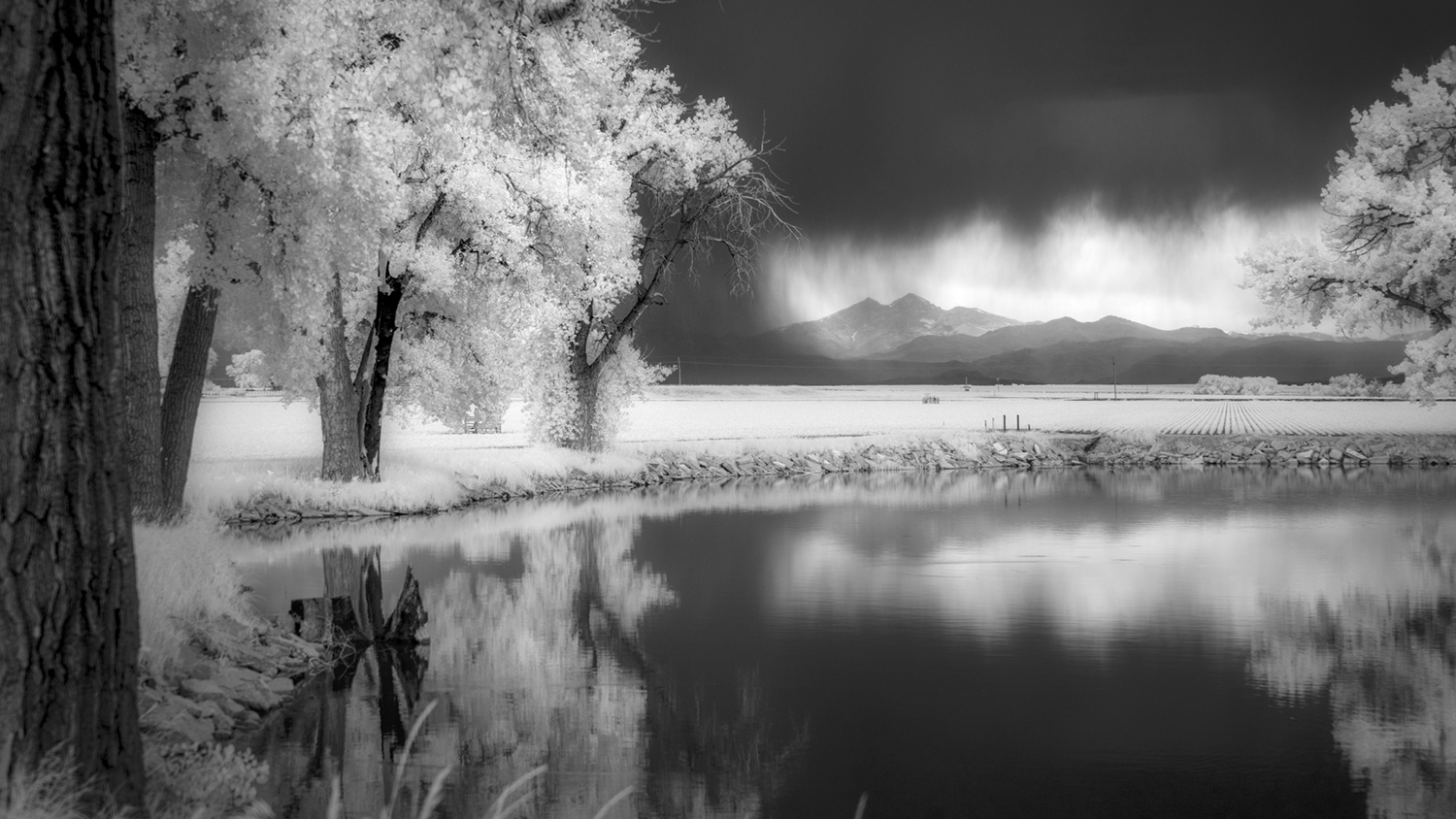
Rebel and I spent countless hours together, and even won a few ribbons in local gymkhanas for barrel racing. But it was those slow, meandering rides to the reservoir that fed my spirit. I’d carry a small pad and pencil, dismount beneath the cottonwoods, and write for hours while Rebel grazed along the water’s edge. Back then, the farmland was quiet. The only sounds were the hum of irrigation pipes, the low rumble of distant tractors, and the occasional roadside conversation between neighbors. There were no oil trucks, no commuter traffic to Denver—just the rhythm of rural life and the peace it carried.
Next to the reservoir stood a small house for migrant workers who came each summer to tend the fields. I remember the children playing in the dust, their mothers hanging laundry on the line. Corn and beets grew in the surrounding fields, and afternoon thunderstorms cooled the dry air like clockwork.
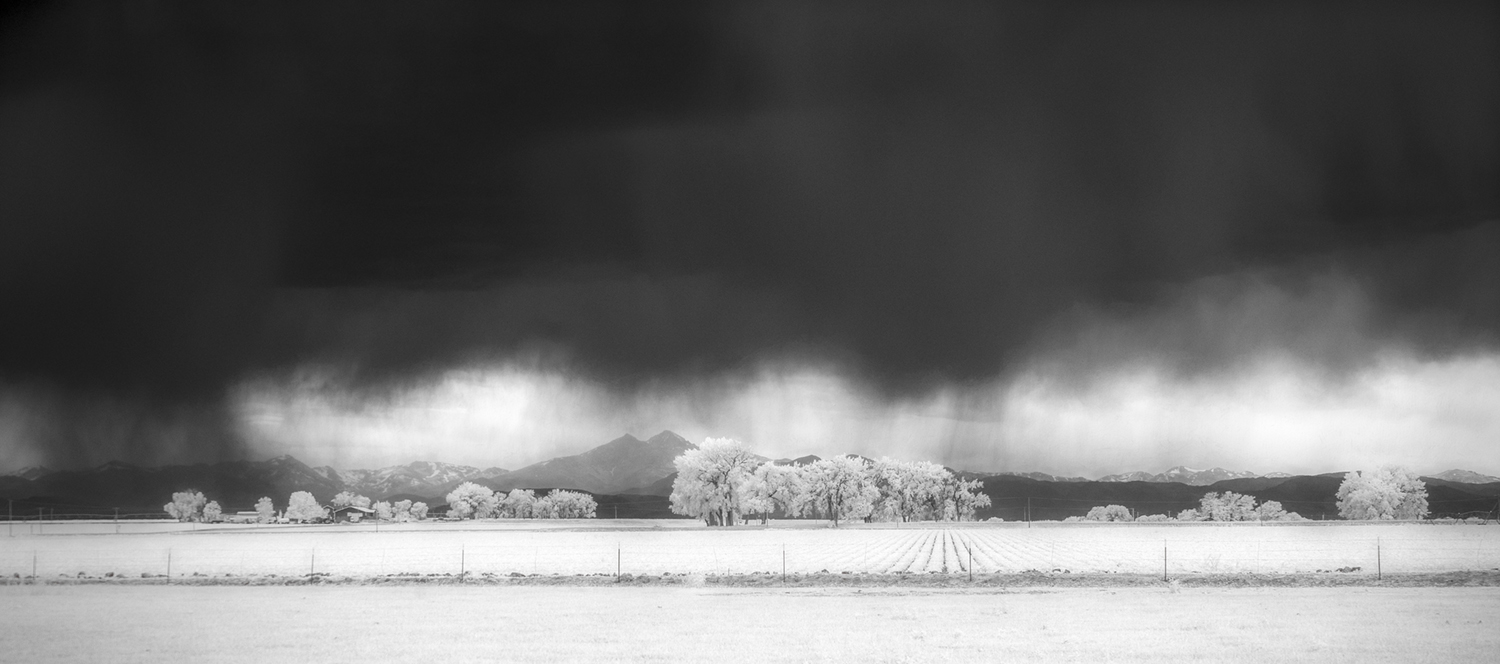
Last summer, I returned. Our old farmhouse was still there—beautifully renovated—but the cottonwoods and gardens were gone. The barn had been torn down. A pair of iMacs sat on the glassed-in porch, flanked by sleek SUVs in the dirt driveway. The house no longer felt like a working farm, but a weekend home for city commuters. The small house near the reservoir was also gone, replaced by a large oil pumping station—a sign of the times.
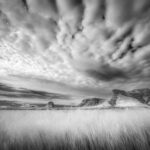
And yet, the land still holds its beauty. Farming continues, though not as prolifically. The view of Longs and Meeker Peaks—known to many as Twin Peaks—still rises with the same quiet majesty. That familiar horizon reminded me of just how lucky I was to grow up in such a stunning and sacred place.
“There is no land like the land of your childhood.”
Michael Powell
Comments are closed.