Painting My Wings Back In
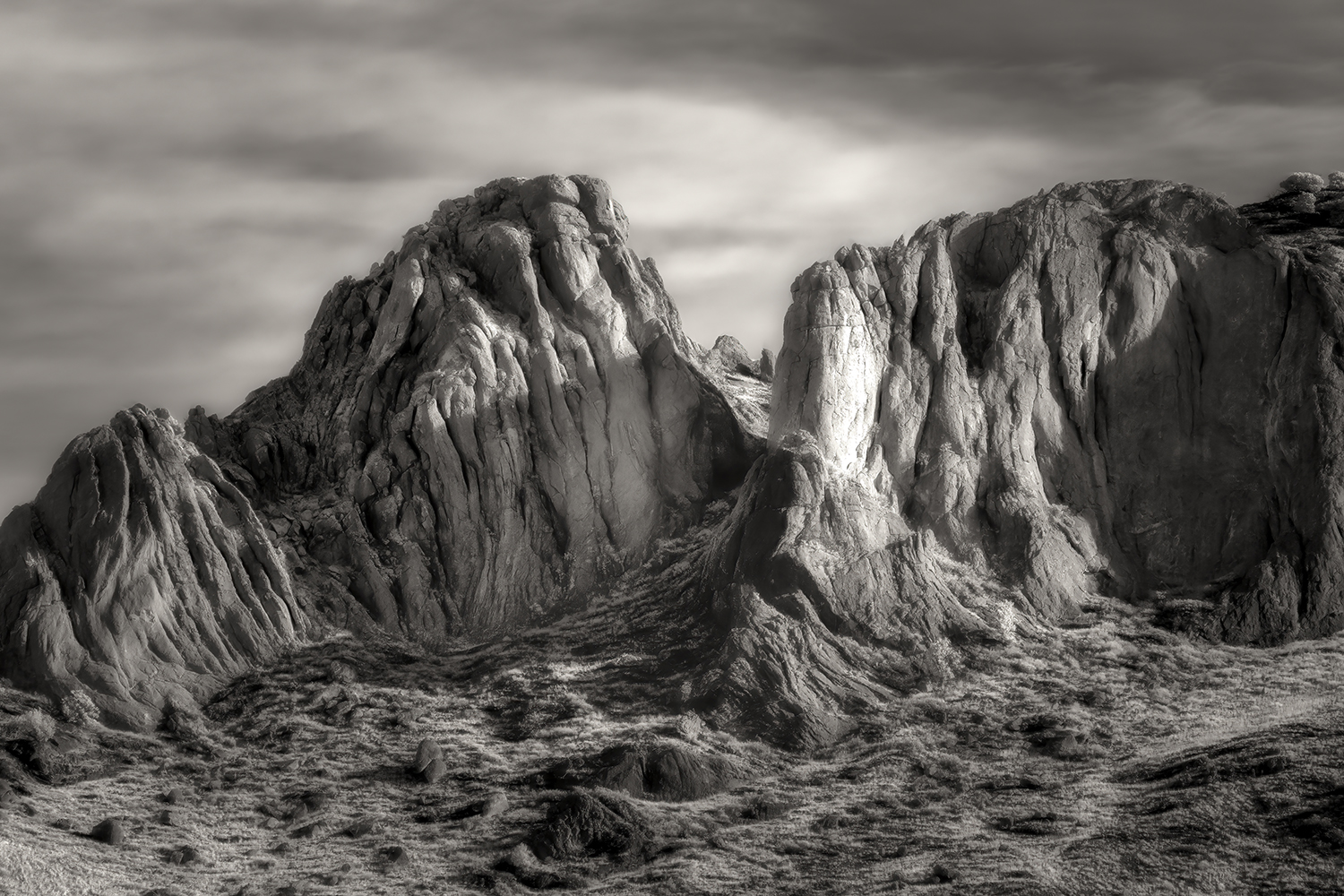
During the Christmas season of 2025. I was in the desert for a week, drawn there by the winter slant of the light, and by a need to force myself back into photographing after a six-month hiatus. Time in that landscape stripped me down and returned me to myself, reminding me that every descent in my life has been a necessary passage toward wholeness.
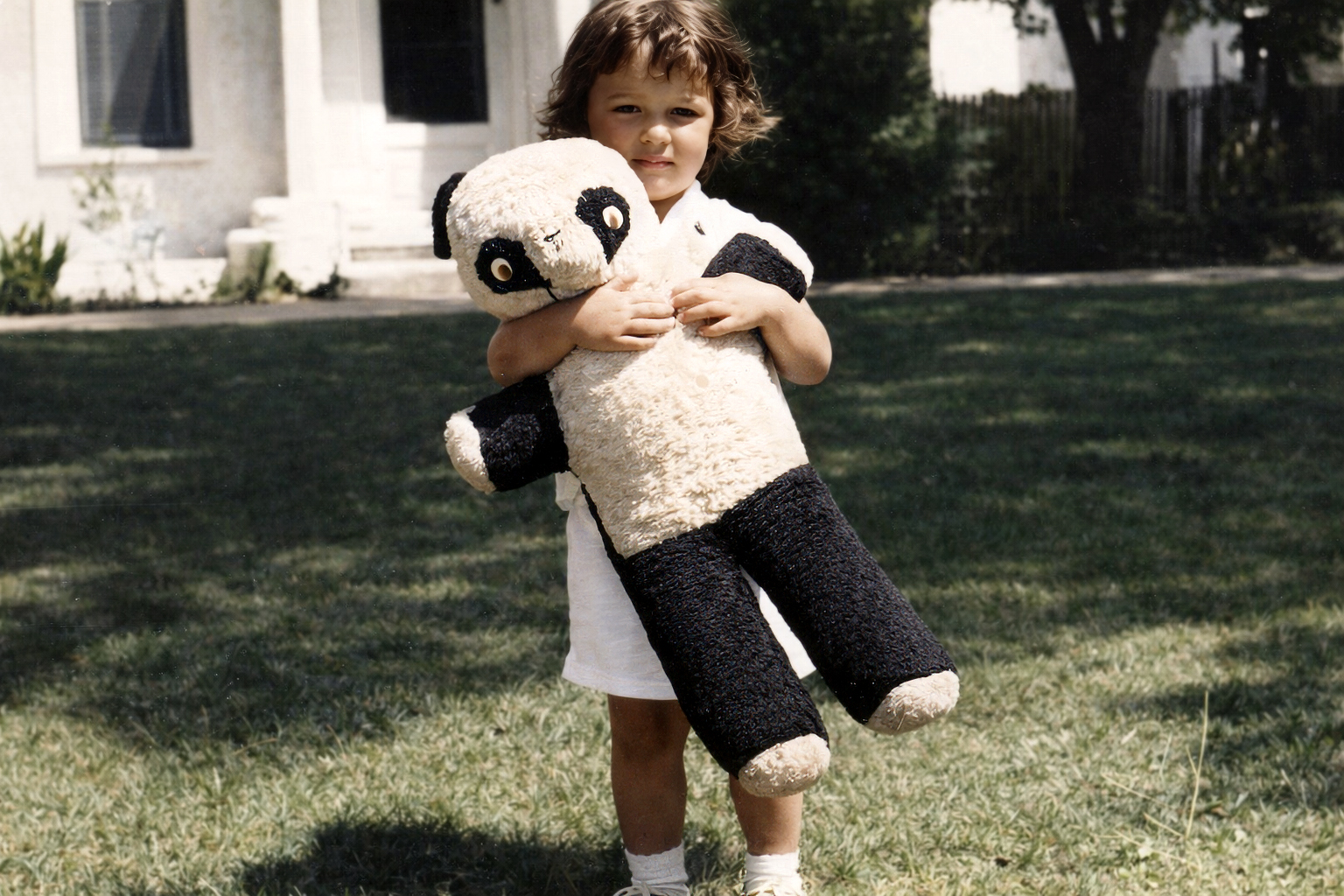
As a child, I was told to be seen and not heard, and I learned that silence was a form of safety. Childhood trauma taught me to observe rather than speak, to adapt rather than ask. Over time, this caused me to believe that something was wrong with me, and shame quietly crept into my self-image. It grew in the spaces where my voice should have lived, convincing me that endurance mattered more than expression. That belief followed me into adulthood, shaping a life built on responsibility, resilience, and invisibility.
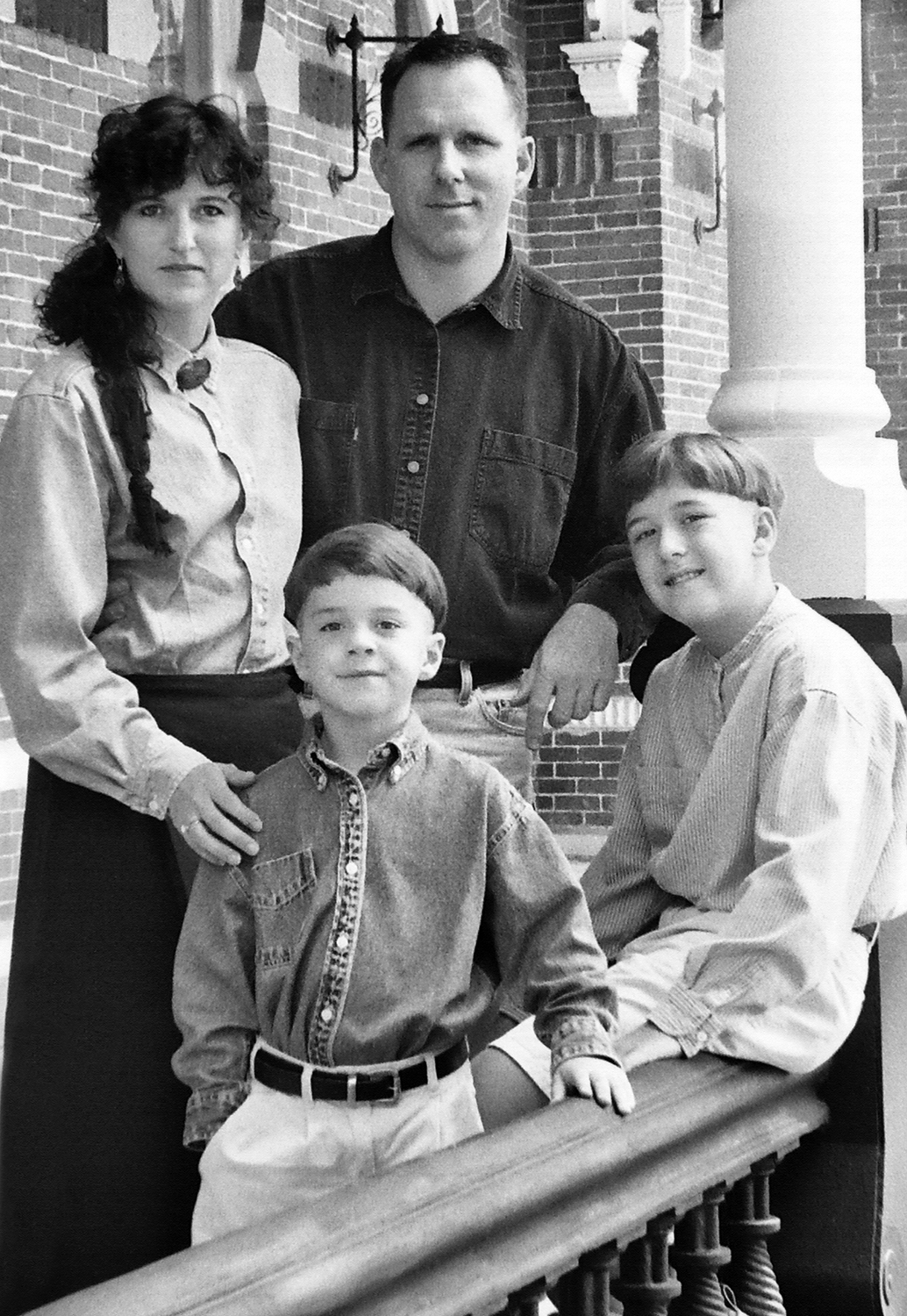
As a military spouse and mother, I perfected that invisibility. I became practiced at holding everything together while moving through constant change, placing my own needs far to the side. We never lived anywhere long enough for me to find friends who were like me, or to build a career that could define me. I poured myself into caring for my two young sons. Then, for three years in Tampa, I found my tribe—artist friends—and spent endless days refining my photography skills through college courses, time in the darkroom, and attending workshops and lectures. Too soon, we moved, I had a baby at forty-two in Japan, and I felt like I was beginning over. This was the long middle passage of my hero’s journey, the road of duty, sacrifice, and quiet strength. Outwardly, I functioned. Inwardly, something essential waited, patient but unheard.
After yet another personal trauma, I began to understand that the descent, the inward turning that comes when a way of living can no longer sustain you, had already begun. Over time, roles and identities fell away, leaving me face to face with grief, anger, and the deep exhaustion that comes from being unseen for too long. I reached a point where I could no longer carry shame as a survival strategy. During this time, photography became the bridge back to myself. At first, it allowed me to speak without words. Then I crossed a deeper threshold, showing my work publicly and sharing my vision of infrared photography with others. Each act of visibility gently unraveled the old belief that being seen was dangerous. Being heard began to heal what silence had wounded.
In ancient Sumerian mythology, Inanna is the goddess of love, creativity, fertility, and power. In her most enduring myth, The Descent of Inanna, she chooses to journey into the underworld to face her sister, Ereshkigal. To pass through the seven gates, Inanna is required to remove an article of clothing or jewelry at each threshold—symbols of her authority, identity, and status. By the time she reaches the deepest realm, she stands stripped of everything that once defined her. There, she is judged, killed, and suspended in darkness. Only after surrender and stillness is she allowed to return, irrevocably changed.
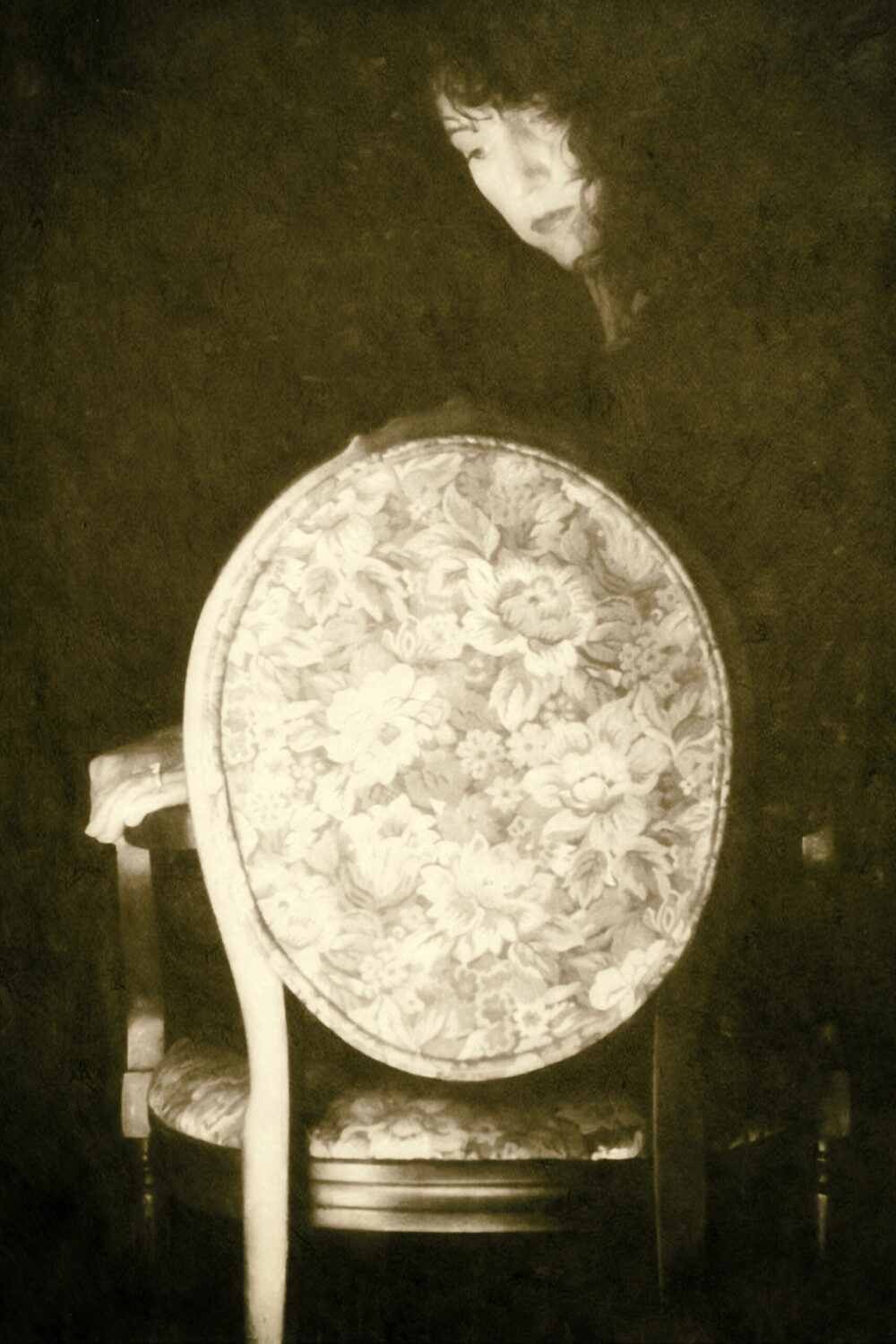
This myth has survived for thousands of years not because it is dramatic, but because it is true. Inanna’s descent is not a punishment, it is an initiation. She does not descend to conquer, but to confront what cannot be bypassed. Her return does not restore her former power; it transforms it. She returns changed, no longer defined by endurance or silence, but by wisdom lived inward and a depth of understanding of herself. My mother, who studied Jungian works for years, always said that I was Persephone. Like Persephone, I did not come back the same, but I came back whole.
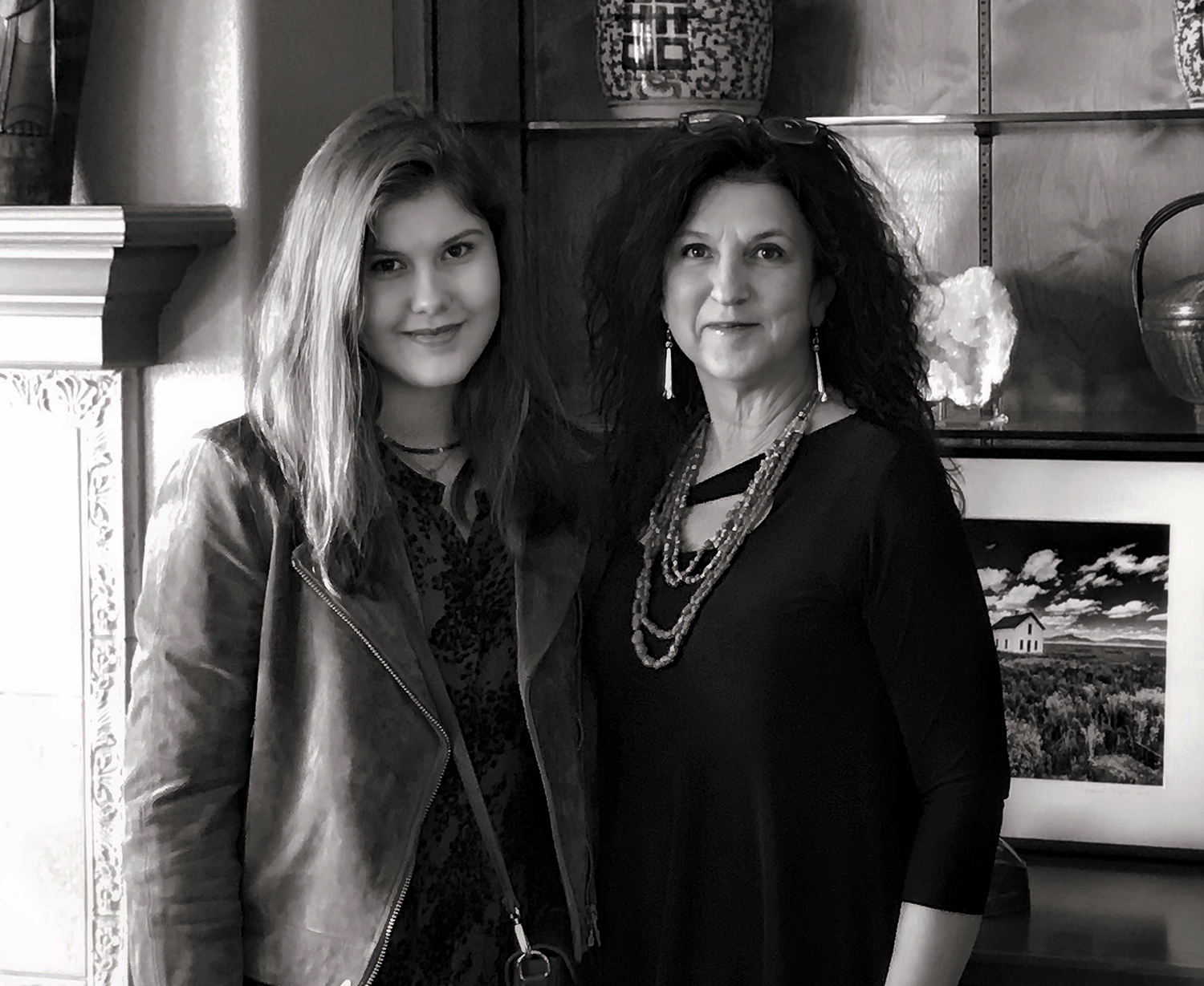
I recognize my own life in this ancient story. Like Inanna, I was stripped gradually, of voice, certainty, and visible power, first through childhood silence, then through years of endurance and adaptation. My descent came when the roles I learned to survive could no longer sustain me. And like Inanna, my return has not been about reclaiming who I once was, but about integrating who I have been all along.
I know now that this story belongs to many women. We endure, adapt, and hold everything together until something essential asks to be heard. The return is not a rejection of who we’ve been, but an integration—an unfolding back into ourselves.
This Christmas, my daughter gave me a gift that felt like a message from ancient time: a 130-million-year-old dragonfly fossil. Only the body remains etched in stone, the wings had to be painted back in by human hands. What struck me was not what was missing, but what endured. The core survived pressure and time. The wings, movement, flight, expression, had to be imagined, restored, and made visible again.
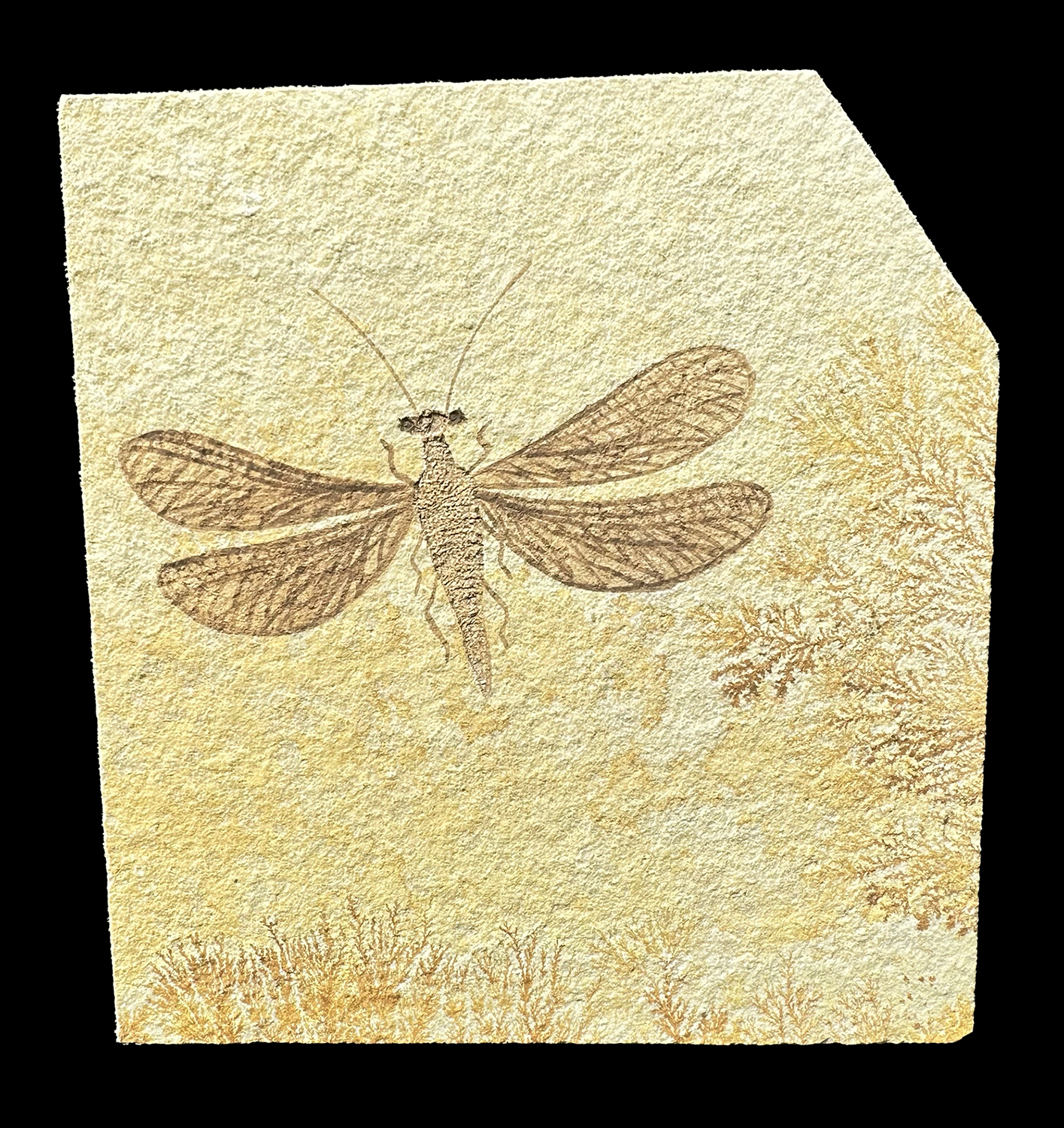
The fossil feels like a mirror for my own transformation. For much of my life, I moved through the world with my wings folded, reliable and resilient, while the deeper, fuller expression of who I was remained out of sight. Art, and the courage to share it, has been the act of painting my own wings back in. I am not becoming someone new; I am revealing what was always there. The silent child, the quiet military spouse, the mother, and the artist belong to the same body, the same story.
Like Inanna, I have descended and returned, stripped of defenses and carrying truth.
And finally, in flight.
Comments are closed.